Expert Guide to Inverter Installation & Maintenance
In many industries, maintaining a stable and uninterrupted power supply is essential for smooth operations. From manufacturing plants to automation systems, power interruptions can lead to equipment damage, production delays, and financial losses. This is where inverters play a critical role.
An inverter converts DC power into AC power and helps ensure that machines and electrical systems continue to operate even during power fluctuations or outages. However, proper inverter installation and maintenance in industries is necessary to ensure safety, efficiency, and long-term performance.
This guide explains the basics of inverter installation, essential maintenance practices, and how industries can avoid costly failures with proper care.
Step-by-Step Process of Industrial Inverter Installation
The installation process should always be performed by qualified professionals to ensure safety and efficiency.
1. Site Inspection
The first step is a detailed inspection of the installation site. Technicians evaluate factors such as power requirements, available installation space, ventilation, environmental conditions, and overall safety. They also check whether the location is suitable for proper airflow and protection from dust, moisture, and excessive heat. A thorough site inspection helps in planning the installation correctly and avoiding future complications.
2. Selecting the Right Inverter
Choosing the correct inverter is critical for efficient performance. The inverter type, capacity, and specifications are selected based on the load requirements of the industrial equipment. Technicians consider factors such as voltage range, power demand, and the type of machinery being used. Selecting an appropriately rated inverter ensures a stable power supply and prevents overloading.
3. Electrical Setup
Once the inverter is selected, the electrical setup begins. This stage involves connecting the inverter to the main power supply and integrating it with the industrial electrical system. Proper wiring, grounding, and circuit protection devices are installed to ensure safe operation. Technicians must also follow electrical safety standards to prevent short circuits, voltage fluctuations, and other electrical risks.
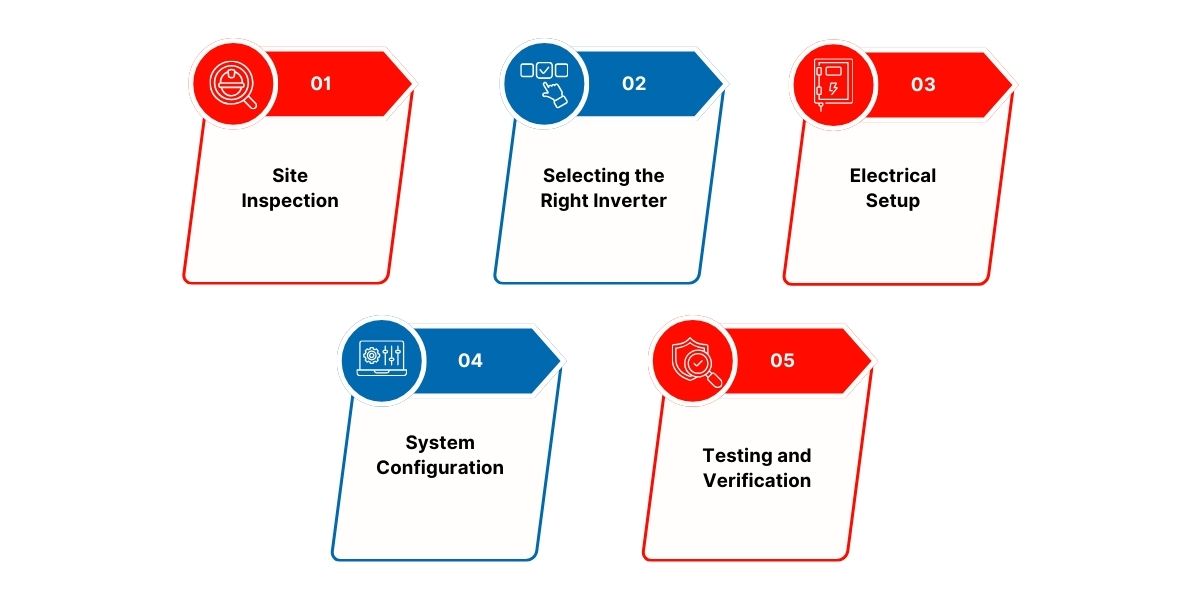
4. System Configuration
After the physical installation, the inverter system needs to be configured. Technicians set operational parameters such as voltage levels, frequency settings, and load limits according to the specific industrial application. Proper configuration ensures that the inverter works smoothly with other connected equipment and delivers consistent performance.
5. Testing and Verification
Before the inverter is fully operational, technicians conduct thorough testing. This includes checking the electrical connections, monitoring system performance, and verifying that the inverter can handle the required load. Any issues identified during testing are corrected immediately. Final verification ensures that the system operates safely, efficiently, and according to the required industrial standards.
Why Inverter Maintenance Is Essential?
Like any electrical equipment, inverters require regular inverter maintenance to ensure reliable performance. Without proper maintenance, components can wear out, leading to power failures and costly repairs. Routine maintenance helps detect potential problems early and prevents unexpected breakdowns.
Best Practices for Inverter Maintenance
Regular inverter maintenance is essential to ensure stable power performance and prevent unexpected system failures. Following proper maintenance practices helps extend the lifespan of the inverter and keeps industrial operations running efficiently.
Regular Inspection
Technicians should inspect the inverter periodically to identify early signs of problems. During inspections, they should check for overheating, unusual noises, vibration, warning indicators, or error messages on the display panel. Early detection of these issues helps prevent major failures and ensures the system continues to operate safely.
Cleaning the System
Dust and dirt accumulation can affect the cooling system and internal components of the inverter. Over time, this can lead to overheating or reduced performance. It is important to keep the inverter and its surrounding area clean. Air vents and cooling fans should be checked regularly to ensure proper airflow and prevent blockages.
Checking Electrical Connections
All electrical connections must be tight, secure, and free from corrosion. Loose or damaged connections can lead to voltage fluctuations, power interruptions, or even equipment damage. Regularly checking cables, terminals, and connectors ensures stable power transmission and prevents unexpected shutdowns.
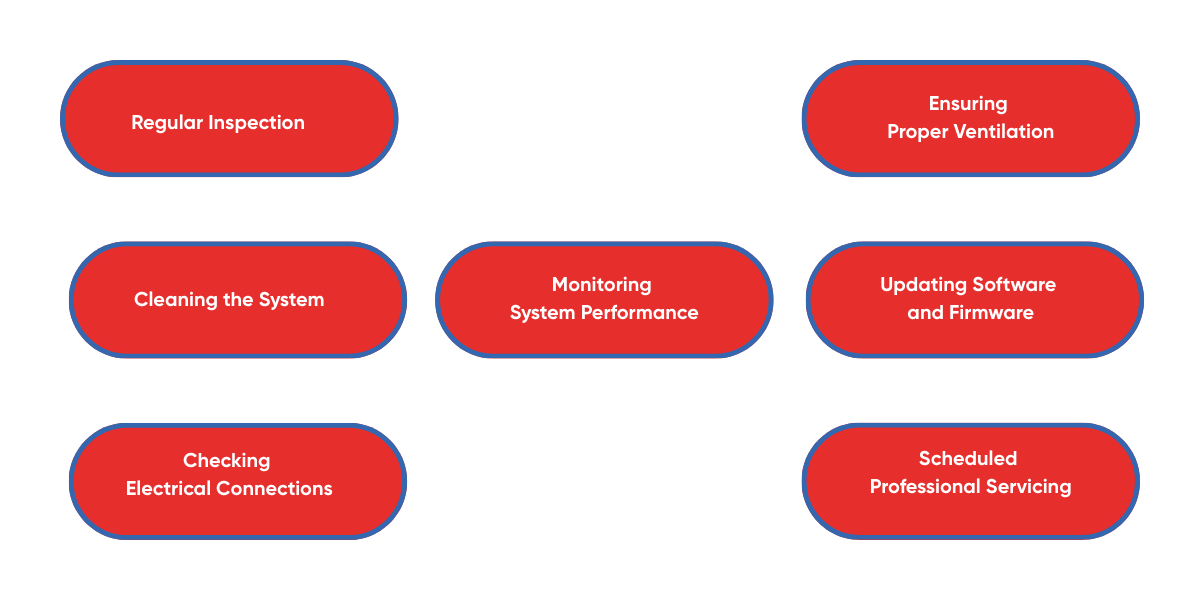
Monitoring System Performance
Monitoring the inverter’s performance is another important maintenance practice. Technicians should observe parameters such as voltage levels, current flow, temperature, and load capacity. Consistent monitoring helps detect abnormalities early and allows corrective actions before the issue becomes serious.
Ensuring Proper Ventilation
Inverters generate heat during operation, and proper ventilation is necessary to maintain safe operating temperatures. The installation area should allow adequate airflow, and cooling systems must function properly. Poor ventilation can lead to overheating and reduce the efficiency of the inverter.
Updating Software and Firmware
Many modern inverters include digital control systems that may require occasional software or firmware updates. Updating these systems can improve performance, enhance system stability, and fix potential bugs that may affect operation.
Scheduled Professional Servicing
Industries should schedule professional maintenance services at regular intervals. Experienced technicians can perform detailed diagnostics, replace worn-out components, and ensure the inverter is operating according to manufacturer standards. Professional servicing helps maintain system reliability and prevents unexpected breakdowns.
When to Consider Power Supply Repair
In some cases, inverter problems may be related to other electrical components in the system. If power instability continues even after maintenance, it may indicate a larger electrical issue. In such situations, power supply repair becomes necessary.
Key signs that indicate the need for power supply repair include:
Frequent Power Fluctuations
Unstable voltage levels can affect inverter performance and connected equipment. Unexpected System Shutdowns – Sudden shutdowns may indicate issues with the power supply unit.
Inverter Error Messages or Alarms
Continuous warnings may signal underlying electrical faults.
Overheating of Electrical Components
Excess heat can result from faulty power supply systems.
Inconsistent Equipment Performance
Machinery may not operate smoothly due to unstable power input.
Professional technicians can properly diagnose these issues and carry out the necessary repairs before they lead to serious system failures or costly downtime.
Role of Industrial Electronics Repair in Equipment Reliability
Industrial power systems involve many interconnected components such as control boards, drives, and power modules. If any of these components fail, the entire system may stop functioning.
Professional industrial electronics repair services help identify and repair these faults quickly. Skilled technicians use advanced diagnostic tools to restore equipment and reduce downtime. For industries operating in the Middle East, specialized industrial electronics repair services Dubai ensure that complex electrical systems are maintained and repaired according to industry standards.
Tips for Extending the Life of Industrial Inverters
To ensure long-term performance, industries should follow these simple practices:
- Avoid overloading the inverter beyond its rated capacity
- Maintain proper ventilation around the equipment
- Schedule regular inspections and maintenance
- Use high-quality electrical components
- Address power fluctuations quickly
Following these practices helps prevent failures and ensures consistent power support for industrial operations.
Build Reliable Power Systems Through Proper Inverter Care
Industrial inverters play an essential role in maintaining a stable power supply for modern industries. Proper inverter installation and maintenance in industries ensures that equipment runs efficiently and safely without interruptions.
From correct installation practices to regular maintenance and timely power supply repair, every step contributes to improving system reliability. When supported by expert industrial electronics repair services, industries can reduce downtime, extend equipment lifespan, and maintain smooth production processes. Companies like Horizon Elect Devices provide specialized expertise in industrial power systems, helping businesses maintain reliable and efficient electrical infrastructure.